What to Expect During the Restoration Process
Understanding what to expect during the restoration process helps homeowners navigate storm damage repairs, which local contractors are ready to handle efficiently and professionally.
Understanding what to expect during the restoration process can help property owners feel more prepared and confident when facing storm damage. Whether dealing with roof repairs, water extraction, or structural assessments, knowing the typical steps involved provides clarity and peace of mind. Local contractors experienced in storm restoration are well-versed in guiding clients through each phase, ensuring the work proceeds smoothly and efficiently. Exploring this topic is especially practical for those in the area who want to make informed decisions about restoring their property after severe weather events.
As property owners consider storm restoration services, it’s helpful to understand the general flow of the process and how local service providers can assist every step of the way. From initial damage evaluation to final cleanup, these professionals focus on restoring safety and stability to affected homes and businesses. Keep reading to learn more about what the restoration journey involves and how local experts can support property owners in navigating the process effectively.
- Storm damage assessment - when storm-related damage is suspected, local contractors evaluate the extent of the damage to determine necessary repairs during the restoration process.
- Debris removal - after a storm, debris removal services are needed to clear fallen branches, damaged roofing materials, and other wreckage, with local service providers efficiently handling cleanup.
- Roof repair and replacement - if a storm causes roof damage, local pros approach repairs or replacements with thorough inspections and appropriate repair techniques to restore protection.
- Water and flood damage restoration - in cases of flooding or leaks, local contractors implement water extraction and drying methods to prevent further issues during the restoration process.
- Structural repairs - when storm impacts compromise structural elements, local service providers assess and perform necessary repairs to restore stability and safety.

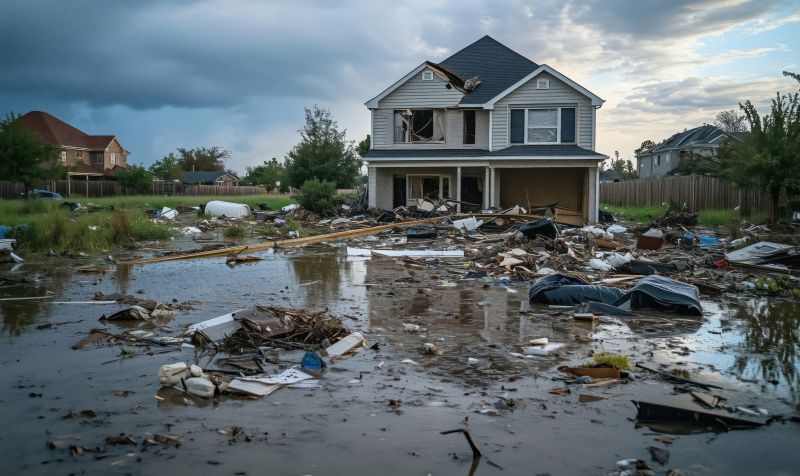

Understanding what to expect during the restoration process is essential for homeowners facing damage caused by storms or severe weather. When searching for this information, many people want a clear overview of how restoration projects unfold, including the typical steps involved, potential disruptions, and the timeline they might anticipate. This process often relates to issues like roof damage, siding cracks, window breakage, or interior water intrusion, which are common after storms. Homeowners are usually looking to understand how local contractors assess the damage, what repairs or replacements might be necessary, and how the work will restore their property to its pre-storm condition.
The restoration process generally begins with an initial inspection, where a service provider evaluates the extent of the damage. This step helps determine whether repairs can be made or if full replacements are needed. During the process, homeowners can expect a series of coordinated activities, including debris removal, structural repairs, and sometimes mold prevention if water intrusion occurred. It’s important to know that each project is unique, and the scope can vary significantly depending on the severity of the damage. Local storm restoration contractors are experienced in managing these phases efficiently, ensuring that the work aligns with the property’s needs and safety standards.
In terms of property types, storm restoration services typically address a range of structures, from single-family homes and multi-unit residential buildings to small commercial properties. Residential properties are the most common, especially those with vulnerable features like roofing, siding, and windows that are directly exposed to storm impacts. Commercial properties may also require restoration after severe weather events, especially if they sustain structural damage or water intrusion that affects operations. Regardless of the property type, local service providers are equipped to handle the specific challenges presented by each project, helping to restore the property’s appearance, safety, and functionality.
Throughout the restoration process, homeowners should expect ongoing communication from their chosen service providers, who will coordinate repairs and keep them informed about progress. It’s normal for the work to involve multiple phases, from emergency tarp installation or boarding up to more extensive repairs like roof replacement or interior restoration. While the process can sometimes be disruptive, understanding what to expect during the restoration process helps homeowners prepare for each stage. Local storm restoration contractors play a crucial role in managing these projects, ensuring that the work is completed efficiently and to the property’s best interest, ultimately helping homeowners regain their peace of mind after storm damage.
Water Damage Restoration - this type of project involves assessing and repairing water intrusion, which requires similar planning and moisture mitigation skills as storm restoration.
Mold Remediation - addressing mold growth after water damage involves detailed inspection and containment, paralleling the processes used during storm damage recovery.
Roof Repair and Replacement - restoring a damaged roof involves structural assessment and repair planning similar to those used in storm damage restoration projects.
Siding and Exterior Repair - fixing damaged siding and exterior surfaces requires careful assessment and material matching, akin to storm damage restoration work.
Emergency Board-Up Services - securing properties after storm events involves quick assessment and protective measures, similar to initial steps in the restoration process.
Insurance Claim Assistance - navigating insurance claims for storm-related damage involves documentation and coordination skills that are also essential during the restoration process.
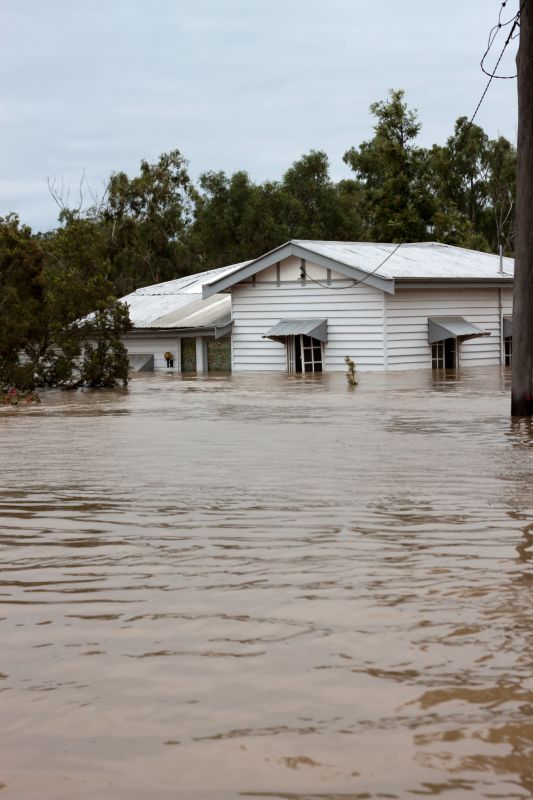
When evaluating storm restoration service providers, it is important to consider their experience with similar projects. A contractor’s familiarity with storm-related damages and restoration processes can impact how smoothly the project proceeds and how well the work aligns with expectations. Homeowners should inquire about the types of storm damage they have handled and whether they have worked on properties with similar features or challenges. Service providers with a history of completing comparable projects are more likely to understand the common issues that arise during the restoration process and how to address them efficiently.
Clear, written expectations are essential for ensuring that homeowners understand what to anticipate during the restoration process. Reputable local contractors should be able to provide detailed descriptions of the steps involved, what materials will be used, and how progress will be communicated. Having this information in writing helps set realistic expectations and reduces misunderstandings. It is also beneficial to review any written documentation beforehand to confirm that the scope of work and the sequence of events align with what the homeowner envisions for their property.
Finally, reputable service providers often have references or reviews that can be verified to gauge their reliability and quality of work. Homeowners should seek out references from previous clients who have experienced similar storm restoration projects. Good communication throughout the process is equally important; service providers who are transparent, responsive, and willing to answer questions can help ensure that the homeowner feels informed and involved. Comparing how local contractors handle communication and whether they provide clear expectations can make a significant difference in how smoothly the restoration process unfolds.
Property owners often search for what to expect during the restoration process when they are planning practical projects around their homes and businesses. Local pros provide Storm Restoration services for everyday jobs and straightforward project options.
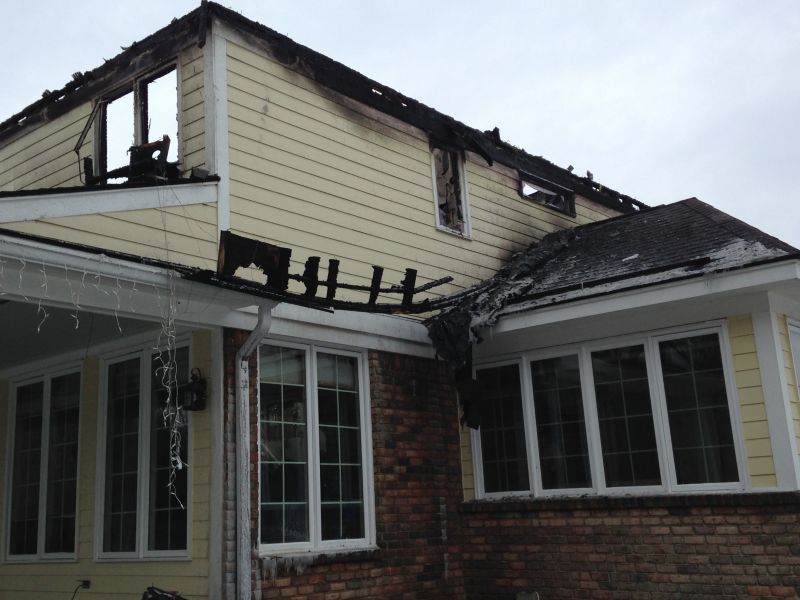

During the storm restoration process, property owners can generally expect a series of organized steps as local contractors work to repair and restore their homes or businesses. Initially, a thorough assessment of the damage is performed to determine the scope of work needed. This often involves visual inspections and sometimes the use of specialized tools to identify issues that may not be immediately visible. Once the assessment is complete, the restoration team typically moves into cleaning and debris removal, which helps prepare the property for repairs. Throughout this process, property owners might notice crews working on different parts of the structure, such as replacing damaged roofing, repairing siding, or restoring interior spaces affected by water or wind.
Understanding what to expect during the restoration process can help property owners feel more prepared for the work ahead. Local service providers usually communicate the planned steps, including any temporary measures like tarping or boarding up openings to prevent further damage. It’s common for crews to coordinate with property owners to minimize disruptions and ensure safety. As repairs progress, there may be periods of activity followed by waiting times while materials are ordered or certain treatments take effect. Being aware of these typical stages can make the restoration experience more manageable, and consulting with local contractors can provide clarity on what each phase involves and what to anticipate during the entire process.
What is the typical process during storm restoration? During storm restoration, local service providers typically assess the damage, secure the property, and begin repairs such as roof, siding, or window replacements to restore safety and integrity.
What types of repairs are involved in storm restoration? Repairs can include fixing roof damage, replacing broken windows, restoring siding, and addressing water intrusion, depending on the extent of storm-related damage.
How do local contractors handle debris removal during restoration? Many service providers include debris removal as part of the restoration process, ensuring that damaged materials are safely cleared away to prepare for repairs.
What should I expect regarding the timeline of the restoration process? While timelines vary, local pros generally work through damage assessment, planning, and repair phases to efficiently restore the property to its pre-storm condition.
Will the restoration process involve any inspections or approvals? Yes, local service providers often coordinate inspections to ensure repairs meet safety standards and to facilitate any necessary approvals for insurance or compliance purposes.
Assessment and Inspection - Local contractors will evaluate the damage caused by storms to determine the scope of restoration needed for your property.
Damage Repair Planning - Service providers can help develop a practical plan to address structural issues, roof damage, or water intrusion during the restoration process.
Material Selection and Preparation - Property owners can work with local pros to choose appropriate materials that match existing structures and ensure durability.
Restoration Execution - Skilled contractors will carry out repairs and restoration tasks, keeping property owners informed about progress and adjustments as needed.
If you are thinking about what to expect during the restoration process for a property, this guide is meant to help you understand this topic, the typical project types, and how different options might fit your plans.
When you are ready, you can use the quote form on this page to share a few details about your project. From there, local pros can review the basics and follow up with options that match what you have in mind.